
From Coal Country to the Bronx
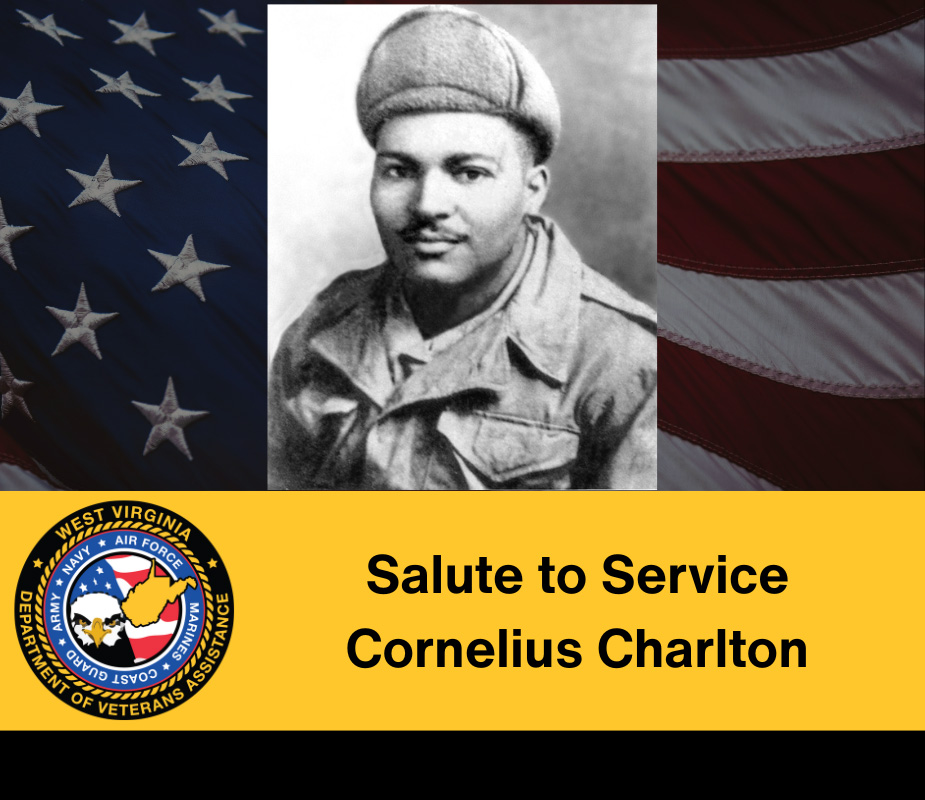
Cornelius Charlton was born on July 24, 1929, the eighth of seventeen children. His father, Van Charlton, worked as a coal miner in Eastgulf, West Virginia, about six miles from Sophia.
Coal was an essential energy source in the United States and especially critical during World War II. By the end of the war, nearly half of West Virginia’s population worked directly in the coal industry. Coal-powered locomotives, fueled factories, and burned in furnaces that produced the steel for equipment vital to the war effort.
It was perhaps this backdrop that instilled in young Cornelius a strong sense of patriotism. He begged his parents to let him leave school to enlist, but they insisted he finish his education.
The Charlton family eventually moved to the Bronx, New York, where Van became a superintendent for an apartment building. Cornelius held onto his dream of serving. At seventeen, after graduating from James Monroe High School, his parents finally gave him permission to enlist in the U.S. Army.
Early Service
Charlton’s first enlistment took him to occupied Germany. After reenlisting, he served at Aberdeen Proving Ground before being transferred to Okinawa, where he worked in administration for an engineering battalion in the Eighth Army.
When war broke out in Korea, he immediately requested a transfer to a combat unit.
The Buffalo Soldiers
Charlton was assigned to C Company, 1st Battalion, 24th Infantry Regiment, 25th Infantry Division. This unit, one of the original Buffalo Soldier regiments, remained predominantly African American even after President Truman signed Executive Order 9981, which desegregated the military in 1948.
As squad leader of the 3rd Platoon, Charlton’s natural leadership quickly impressed his chain of command. He molded his platoon into a model fighting unit.
Into Korea
Upon arrival in Korea, Charlton’s unit fought in the Battle of the Pusan Perimeter, a 140-mile defensive line in the southeast. UN forces, though outnumbered, held off repeated assaults by the Korean People’s Army until the U.S.-led amphibious landing at Inchon forced a withdrawal.
In May 1951, the Eighth Army launched Operation Piledriver, aiming to drive Chinese and North Korean forces north. The 24th Infantry faced fierce resistance at Kumwha. After the 2nd Battalion withdrew under heavy casualties, the 1st and 3rd Battalions pressed on.
Hill 543: June 2, 1951
C Company was ordered to capture Hill 543, defended by entrenched Chinese infantry and mortar fire. The first attempt cost heavy losses. When the 3rd Platoon leader was killed, Charlton took command.
“Wounded in the chest, he refused medical attention. Holding his chest with one hand and his M1 rifle with the other, Charlton pressed forward, destroyed two enemy positions, and killed six enemy soldiers.”
He led his platoon up the hill three times, finally breaking through. At the top, they discovered another fortified bunker with mortars. Charlton once again led from the front. In his final action, he charged the enemy bunker alone. Mortally wounded by a grenade, he kept firing until the position fell.
His courage saved countless lives in his platoon and secured victory on the hill.
Legacy of Honor
In 1952, Secretary of the Army Frank Pace presented Charlton’s family with the Medal of Honor. He was laid to rest in Arlington National Cemetery.
In West Virginia, his name lives on through the Cornelius H. Charlton Memorial Bridge, which spans the Bluestone River in Mercer County.
Charlton is also honored beyond his home state:
- A ferryboat in New York Harbor bore his name.
- A park in the Bronx’s Morrisania neighborhood commemorates him.
- The USNS Charlton (T-AKR-314), a Watson-class LMSR ship, continues to serve U.S. military logistics worldwide.
Cornelius Charlton’s story remains a testament to sacrifice, leadership, and devotion to country.
About the West Virginia Department of Veterans Assistance
If you or a loved one served in the U.S. Armed Forces, the West Virginia Department of Veterans Assistance (WVDVA) is here to help.
The WVDVA is a cabinet-level agency committed to serving West Virginia’s Veterans and their families by providing free assistance, advocating for benefits, and ensuring access to vital resources.
Our mission is to honor service by connecting Veterans and their families with the benefits and support they’ve earned.
To learn more about the services, find your nearest benefits office, or explore how WVDVA supports West Virginia’s Veterans, visit the About page or Benefits section on the WVDVA website: Veterans.wv.gov